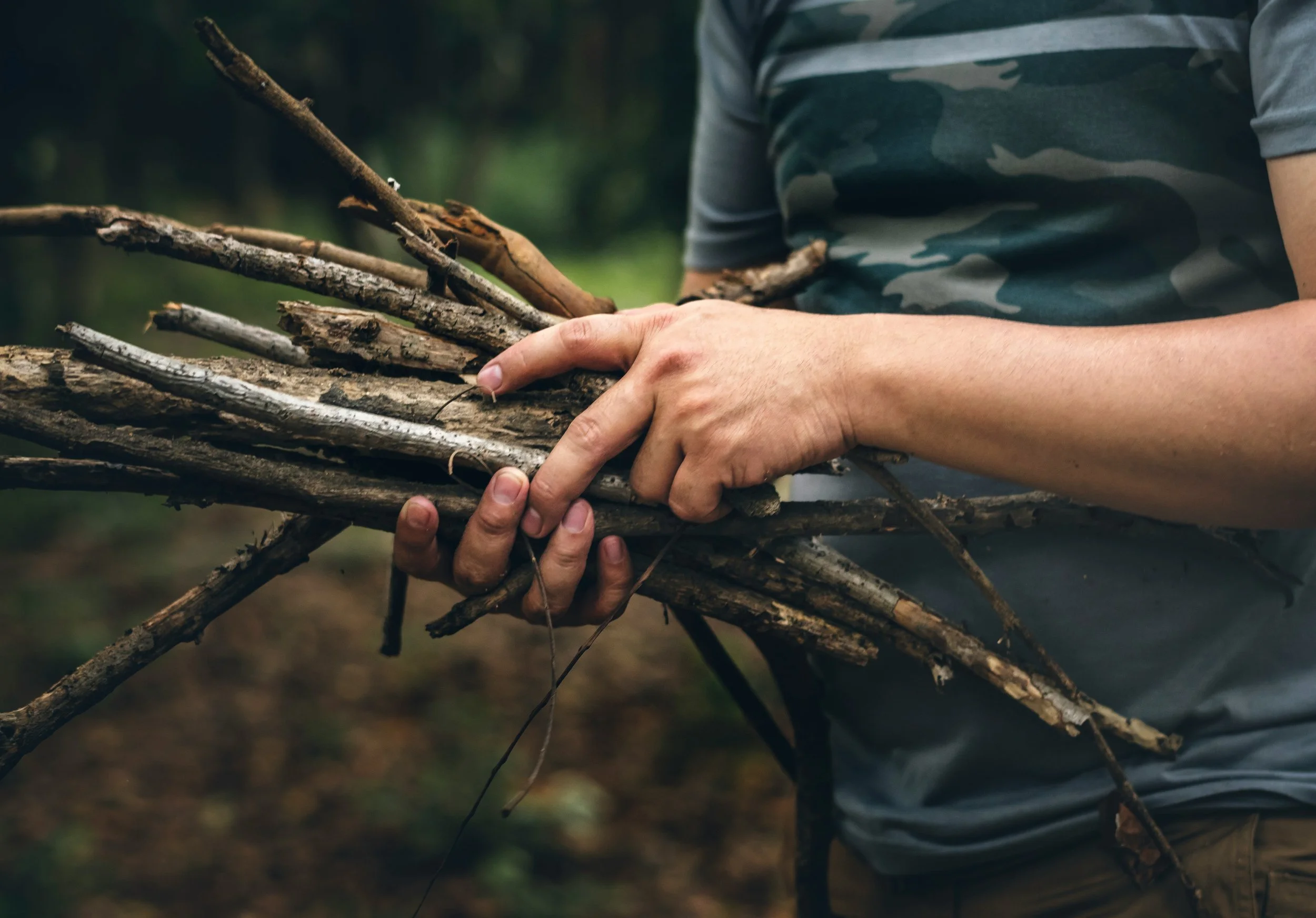
I see it. That doesn't mean it's mine.
I can remember backpacking in the Sierras, with hardly anyone around. In those days, you could have an open fire, so gathering firewood was more than a task. It was a way to stay warm for the night.
I was thinking about that the other day. Why would I pick something up because I see it, when I don't need it?
Consider your life and how often you pick up sticks, the things that may not be yours to carry, hold, or figure out. A coworker sighs about a deadline. A friend mentions they're moving and nobody's helping. Before they've finished the sentence, you're already offering. But did you pick it up because it was yours to carry, or did you take on something that belonged to them?
Sometimes you think someone is telling you what they need, and the part of you that wants to please clicks in. You start figuring out how to take care of it. They might not have asked you to do anything, but the stick is already in your hand. And if they do ask, you say yes because you don't want to disappoint them. Somewhere in there, their need became your responsibility.
Am I choosing to pick this up, or do I feel like I have to?
Being the one who helps can feel good. You like knowing you can make something easier for someone. You hear or see a need, and you act. But leaving the stick there can also feel uncomfortable. What will they think if I don't help? Will they be upset with me? You might not ask those questions out loud, but they're often behind the yes you give before you've thought about what you're agreeing to.
So why are you doing it? Is it manipulation, people pleasing, fear, desire? That first one stings a little. Most of us don't think of helping that way. But if part of your yes is quietly waiting for something in return, and you haven't said so, that's part of the stick too. The more you understand your reason for taking action, the stronger you'll be in deciding what you want to pick up and what you want to leave.
When you carry what belongs to someone else, you may end up doing something they need to learn to do for themselves. And while you're busy carrying theirs, you have less room for your own. You think you're helping, but are you helping them or yourself?
And sticks get heavier the longer you carry them. One stick doesn't weigh much. But you pick up another, and another, and a few miles in your arms are full and you can't remember why you grabbed the first one. You keep carrying it anyway, because putting it down now can feel harder than picking it up did.
There will always be another stick on the trail. Before you reach for it, look at what you're believing. "I have to help." Is that true? What are you telling yourself will happen if you leave it there? Maybe you believe they'll be disappointed, and that means you're selfish. When you believe that thought, how do you feel, and what do you do next? Maybe you feel guilty and say yes before you've considered whether you want to.
You can choose to help someone, and understanding the thought behind your choice gives you room to decide. What part are you willing to help with, and what part belongs to them?
When I think back to my backpacking days, I remember we didn't carry firewood down the trail. We gathered it at camp, for that night's fire, because that's where we needed it. Out there, you only picked up what the fire needed. Everything else stayed where it was.
You can care about someone and still leave their stick where it is. And some of what's in your arms right now might belong to someone else.
I see it. That doesn't mean it's mine.